
Are you thinking about moving to Japan? For me, I knew I wanted to move here ever since I was a freshman in college. Then came the problem of “How the hell do you actually move to Japan?” Here is a step-by-step guide on everything you need to know and everything you need to do to move to Japan.
As someone who grew up in the same place her entire life, moving to a different country felt almost as if transporting myself to another world. Having said that, picking up your current life and the process of moving anywhere can be overwhelming, and many people struggle with knowing where to start. Especially in Japan, where English isn’t widely used, you’ll face difficulties when trying to do even the simplest of tasks like scheduling an appointment or riding the metro.
When I began the process of moving to Japan, I felt lost. But thanks to hours of Google searches as well as reading firsthand experiences, I’m here to share with you everything you need to know to achieve a happy life in Japan. This is your step-by-step guide on moving to Japan, starting from zero.
Step 1: Decide Why You Want To Move To Japan
Before you think about the who, what, when, and where to relocate in Japan, you need to focus on the why.
Your reason for coming to Japan will correlate to what kind of life you’ll live here. Whether you are a student, a worker, or a temporary resident, your initial reason is important as it will affect what kind of visa you can get and how long you can stay in Japan. Your reason will also dictate your day-to-day routine, and should be considered carefully, for instance, whether you’re ready to face corporate life in Japan or would rather be a student.
Any tourism-related reasons, such as trying out the best food spots or finding the best clubs in Tokyo, won’t make you eligible for a long-term visa. Instead, you can come on a tourist visa, which lasts up to 90 days. For a workation to Japan, you could also consider the newer Digital Nomad visa, which lets you stay for 6 months and work remotely for a non-Japanese company.
If you’re lucky enough to land a job or find another purpose during this time, then you have the option of changing your visa status. Having said that, most people come to Japan for work or school, and there are many different paths within these two categories.
Moving to Japan as a Student

For educational purposes, many universities in Japan offer four-year international programs. The most common include studies in business, engineering, and economics.
Check out institutions such as Waseda University, Keio University, Sophia University, and The University of Tokyo. These are particularly well-known, prestigious universities in Japan with competitive acceptance rates. They all offer language programs as well, and it’s possible to come to Japan as a Japanese language student.
Moving to Japan for a Job

In terms of finding employment, you can try LinkedIn Jobs, Indeed, or GaijinPot. Another option for those in college is the SJIP (Sakae Japan Internship Program), where a company will hire you for about a three-month internship trial period, then offer you a full-time job, assuming they like you. English teaching programs such as JET (The Japan Exchange and Teaching Programme) and Aeon are also extremely popular with new graduates.
Be aware, some jobs are much easier to get than others for foreigners in Japan, so finding a position might be more or less difficult depending on the field. Knowing Japanese can also make the hunt a whole lot simpler.
Step 2: Assess if You Can Afford a Move to Japan

A common belief is that you can’t travel unless you’re rich. This definitely has some truth in it, and in comparison, wealthy people are certainly travelling more than those not as fortunate. But I think we misunderstand travel as equating to money, when actually, travel can be affordable with strategic saving and mindful spending.
Unlike what most people think, you can get by with surprisingly little in Japan. Of course, it depends where you decide to live, but even in Tokyo, the cost of living in Japan is not as high as you might think.
Housing

In terms of housing, Japan offers a variety of options, all at different prices. Share houses, hostels, and older apartments are some cheaper alternatives when living in the city, and you won’t have to worry about dangerous areas thanks to the low crime rate in Japan.
If you still don’t believe me when I say you can live frugally in one of the major cities in the world, try relocating further away from Tokyo. About 45 minutes out from Tokyo by train, you’ll find yourself in places like Chiba or Saitama, where rent prices are drastically lower, especially when you’re looking into share houses in Tokyo.
Some English teaching programs will even send their ALTs (Assistant Learning Teachers) to the boonies of Japan. There, the cost of living is even cheaper, although there’s not much to do outside of walking and eating. Unless you’re a chronic impulsive shopper, you shouldn’t have to worry too much about saving money in Japan.
Food

Food can also be found at reasonable prices, as many stores offer decent-sized meals for 600 yen (~USD$6) or less. Take-out culture is popular with the working class, too, and there are many small businesses that open only for lunch to sell bento boxes, Japanese lunch boxes. You’ll have to explore your area to find out where the cheap eats are, but food shouldn’t be too much of an issue.
Step 3: Visas for Moving to Japan

Paperwork time! Don’t worry, it’s not as bad as it sounds.
Your visa is a document that allows you to legally stay in that foreign country; it’s extremely important and determines the length of your stay in said country. While getting a visa entails different things depending on where you’re from and where you’re going, in Japan, you’ll need to first get a visa sponsor and COE (Certificate of Eligibility). Once you have these, it’ll be smooth sailing to get that visa.
Visa Sponsor
The first step in the process is to find a sponsor. Whether you’re a high school student or a business owner trying to come to Japan, you’re going to need some sort of institution to sponsor your visa. This can be any school, company, or individual that is willing to invest in you. This sponsor will be listed as your reason for entering the country.
To break it down even further, let’s say you get a job at the Nintendo headquarters in Japan. Nintendo becomes your sponsor and pays for your visa, essentially telling immigration services that you are coming to Japan to work for them.
They will send an application form that decides how long you get to stay before you have to leave/renew your visa, and this duration depends on the kind of work you do. Generally, first-timers are given a one-year stay. However, I personally got five years on my visa, so it largely varies on the situation.
It’s also worth mentioning that you’re not tied to your initial sponsor, so long as you can find another. Once you have your visa, it’s officially yours and not bound to any one institution. You just have to maintain some sort of reason (i.e. employment) for being in Japan to keep your residency status.
If your situation changes, you may also need to apply for a change of status, for instance, if you start a business in Japan, you’ll need to switch to an entrepreneur visa.
Certificate of Eligibility
The COE is regulated by the Immigration Services Agency of Japan, and its official website says it can take one to three months to approve after you’ve sent in all the required documents.
I’d say it actually can be processed much quicker, as my COE was given to me two weeks after I applied. Once again, it depends on your sponsor, and I know cases of COEs and visas being expedited.
Visa
Once you get your COE, you’ll be able to apply for your visa. Probably the two most common visas that people get are student and work visas. For either, you’ll have to prove you were accepted into a school or that you received an offer of employment.
While there is only one kind of student visa, there are multiple levels of work visas within Japan. Some allow a few months of residency, while others allow a few years, and your type of work will affect what kind of visa you get. You can see the different types on the Immigration Bureau’s official website.
For your visa application, you’ll have to prepare the required documents such as your COE, passport, and proof of purpose. After gathering all that, you’ll go to the embassy, and they’ll have it done in about a week. Read up on the details on the Ministry of Foreign Affairs official website here.
Once you have your visa, you’ll receive a residence card (zaikryū card, 在留カード) upon entering Japan. This will serve as your ID in Japan, which looks similar to a driver’s license. It’s necessary for all the mundane tasks you’ll have to do, such as opening a bank account or getting a Japanese phone number. Your residence card is basically proof that you’re in Japan legally, and foreign residents are required to have it with them at all times.
Your residence card is incredibly important when it comes to life in Japan as you’ll need it for things like opening a bank account, signing a lease, and getting a Japanese number…although it will also leave you susceptible to the NHK reception fees.
Working Holiday
It’s also worth mentioning that, along with the student and work visa, there is also something called a Working Holiday visa, where you can stay in Japan for up to one year without a sponsor. It’s specifically given to younger people in the age range of 18 to 25 (30 in some countries), and allows foreigners to come to Japan and look for work. Those on a working holiday visa are also eligible for part-time jobs as well, so it’s a great trial period for youths who are unsure if they want to live in Japan long term.
Additionally, if you decide you want to stay in Japan, you can change your working holiday visa to a working visa if you find a sponsor, and potentially extend your stay. Many European and Asian countries are eligible for this visa, while the U.S. is not. You can see if your country is qualified for the working holiday visa here.
However, changing your visa status has become harder over the past few years. A recently developing rule has stated that those originally on a tourist visa may have to go to their home country first to switch their visa status. While most people are still successful in making the change here in Japan, this is an ongoing practice that is becoming increasingly enforced by the immigration office.
Step 5: Looking For Housing for Your Move to Japan
Now that you have all the legal documents to enter Japan, you need to find a place to live. Japan offers a wide variety of places to choose from, although apartment complexes are the most popular with singles and families alike. These units have innovative ways to utilise small homes, such as incorporating lofts.
Start by thinking about where you want to be based. Tokyo vs Osaka is a common place to start, although you might want to look into smaller cities like Kyoto, Sapporo, or Nagano. Just bear in mind that the smaller the city, the less English speakers are likely to be there.
Apartments
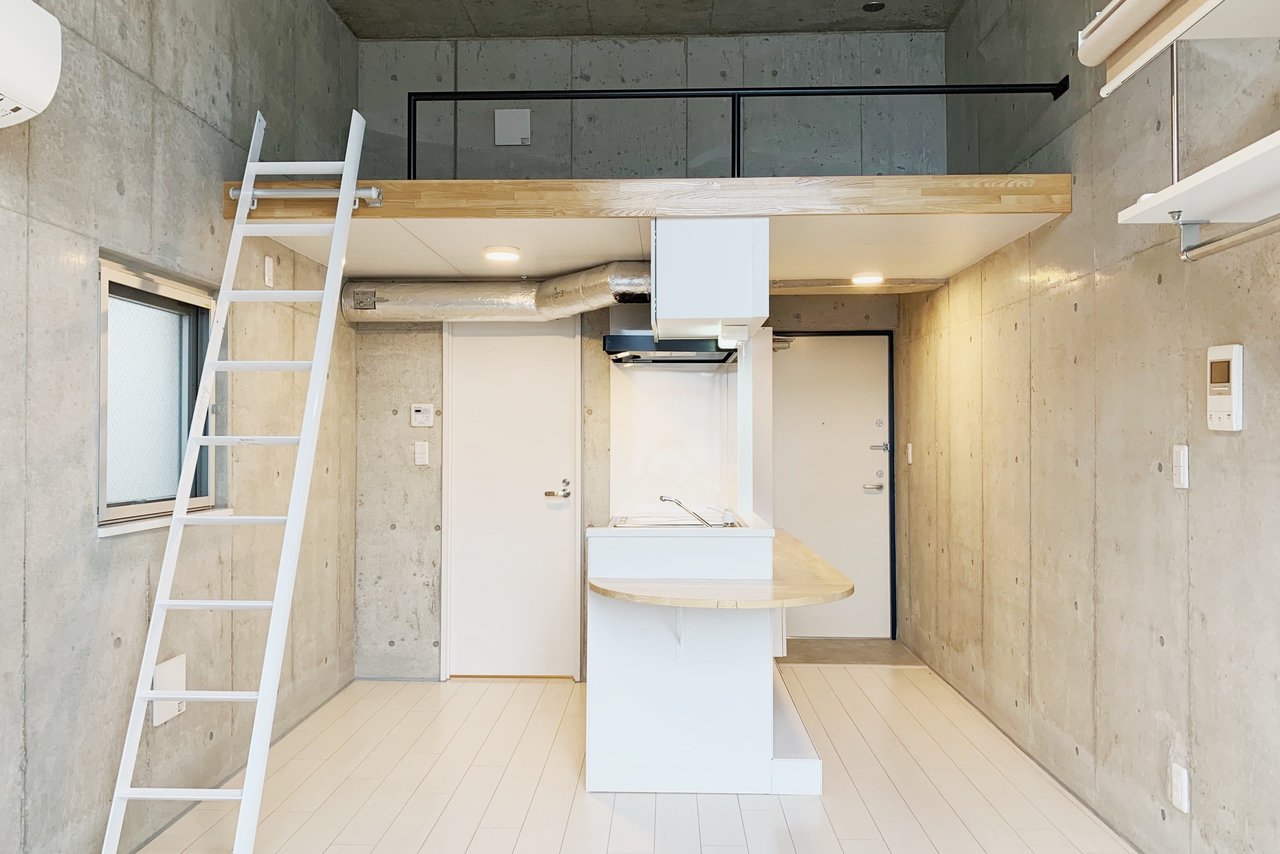
I recommend really taking time to look for your new home. There are many, many options out there and, yes, it will be a hassle to go through all of them, but this may be your home for the next few years, and you want to make sure you’ll love it. A tip for you to remember is that housing prices go up from December to April, and down between May and October.
An issue I had when I was looking for a place in Japan from overseas was that I was unsure of where to live in Tokyo, as I didn’t know the atmosphere, environment, and vibe.
To get around this, you can look at Hikkoshi Matome, a Japanese website that ranks the various neighbourhoods from all around Japan. It tells you the rent costs, suitability for single living, number of shops, population age average, and other factors. They even tell you how many other foreigners live in that area.
Many people tend to live in temporary housing when they first come to Japan, so they have the chance to physically visit other options once they’ve arrived. Many companies offer furnished apartments, and they lease by the month, making it perfect for someone who needs to find housing quickly but doesn’t want to commit to a two-year contract right away.
Some credible and safe sites to check out would be ICHII Corporation, Fontana, and Tokyo Apartment Inc.
Share Houses
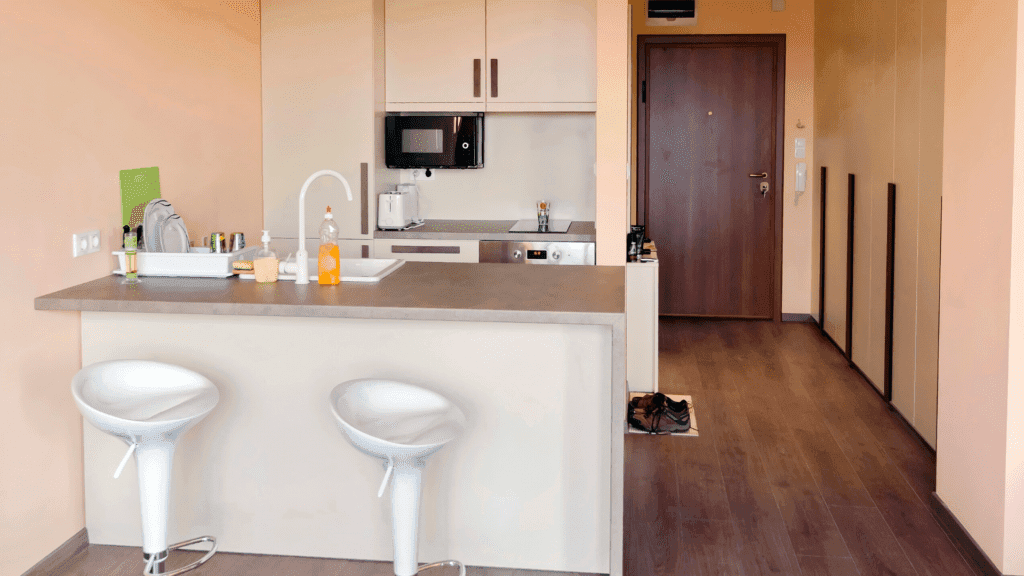
Another option is to live in a share house as they also provide monthly leases, but are typically much cheaper. Most share houses have separate rooms for each tenant, with a communal living area and kitchen.
Some share houses offer rooms for two or more people at a time, and these are extremely affordable, especially for pricier areas like Tokyo. I was able to experience life within a share house and highly recommend it for anyone unsure of where to live. Popular websites to use are Sakura House, and Oak House.
If you want to search the local way, two popular websites used widely in Japan are SUUMO and Home’s, which even real estate agents themselves use. Both are wide databases that cover all of Japan, and it’s regularly updated.
Step 6: Preparing for the Move to Japan

Okay, you’re almost there! It’s time to start tying up your loose ends, confessing your love to your crush before you leave, and eating as much home cooking as you possibly can.
Also, if you’re thinking about renting a car or looking to get a driver’s license in Japan, now’s the time. You’ll have to get a Japanese translation of your current license and apply for an international one. Depending on where your original license is issued, you may or may not have to take a driving test while in Japan.
Certain countries and states are in partnership with the JAF (Japan Automobile Federation), such as Taiwan or even the small state of Maryland. Of course, it’s possible to get your license while in Japan too, but it’s good to prepare beforehand.
Packing

You’ll also need to start packing. Summers here can be sweltering hot, and winters freezing cold. Make sure you look up the weather in your respective area and bring the appropriate clothes as you don’t want to be worrying about your attire when you first arrive. Japanese people tend to dress a bit more conservatively, with many people even wearing long-sleeved clothing during the humid, blazing days of July.
Despite that, it’s a very fashion-forward country, and as long as you feel comfortable and confident in what you’re wearing, people generally aren’t too bothered about the attire of others.
Try to bring as little with you as you can. Many Japanese apartments are very small, and it’s just not realistic to bring that jumbo Costco teddy bear you got for your birthday or your entire collection of self-motivation books (this might be the time to invest in a Kindle!). Thankfully, you can buy just about anything you’d need in Japan, so pack light and don’t worry about not being able to find something.
Japanese Language skills

Lastly, and most importantly, you’re going to want to brush up on your Japanese skills. As Japan is a largely homogeneous country, chances are there won’t be too many English speakers around you unless you actively search for them. It is possible to live solely in a community of foreigners who don’t speak Japanese, but then you’ll be missing out on a large part of Japan. Even knowing the most basic of phrases can greatly improve the efficiency of your daily life when going out to work, eat or socialise.
Step 7: Flying To Japan

It’s finally time for the physical “moving to Japan”. You’re ready to get on that plane and go. But now you’re worrying about what airline to take and what airport to fly into. Don’t worry, this is the easy part.
There are many airline options, but I recommend the two Japanese airlines, ANA (All Nippon Airways) and JAL (Japan Airlines), which are both highly-rated, popular options. They offer many flights throughout the year as they are some of the prime international airlines in and out of Japan.
As for which airport, Japan has two major international airports: Narita Airport and Haneda Airport. Both are equally quick, efficient, and clean, and both have restaurants and shops. One difference is that Narita Airport receives more international flights than Haneda Airport, so you’ll likely have more flight options if you fly in there. But, Haneda Airport is closer to the city by almost an hour by train.
Step 8: Registering at the City Hall

At last, you’re in Japan! Although I’m sure you’re giddy with excitement thinking about all the things you’re going to do now that you’re a local…but slow down. You have to first register your address at your ward’s city hall within two weeks of your arrival.
It’s a fairly smooth process as long as you bring the required materials (your passport and residence card), which you should have received at customs when you entered the country.
When you first walk in, you can take a number and wait to be called, or ask the staff directly, as there’s usually always someone at the front door. Most likely, you’ll be able to find someone who can speak English since they’re used to foreigners coming in.
They will then ask you to fill out a registration form stating your name, address, the reason for coming to Japan, and other essential information about yourself. The Kyoto City International Foundation explains the process in more detail, and it’s a similar experience no matter where you go in Japan.
After filling out the form, they will process it then and there, which shouldn’t take too long. For me, it was only about fifteen minutes before I was called back up. Your resident card will now have your current address printed on the back of it.
My Number

While you’re at the city hall, you can also get what’s called a “My Number”. Similar to a social security number in the U.S., it serves as your tax number and should be kept private.
After your initial visit to the city hall, a card with your “My Number” will be sent to your registered address in about three weeks. However, if you need it before then, you can ask for the number itself for 300 yen (~USD$3). Once again, you’ll have to fill out a form and wait about ten minutes before they give you a paper with your number on it. This extra step is for those starting a new job and who can’t wait three weeks for the physical card, as most companies will ask for your My Number to set up that month’s payroll.
When you’re at city hall, you’ll also sign up for healthcare. If you are employed by a company with health care benefits, then there will be an option for that. If not, you’ll be enrolled in the national health care plan. This card will also come in the mail.
Conclusion
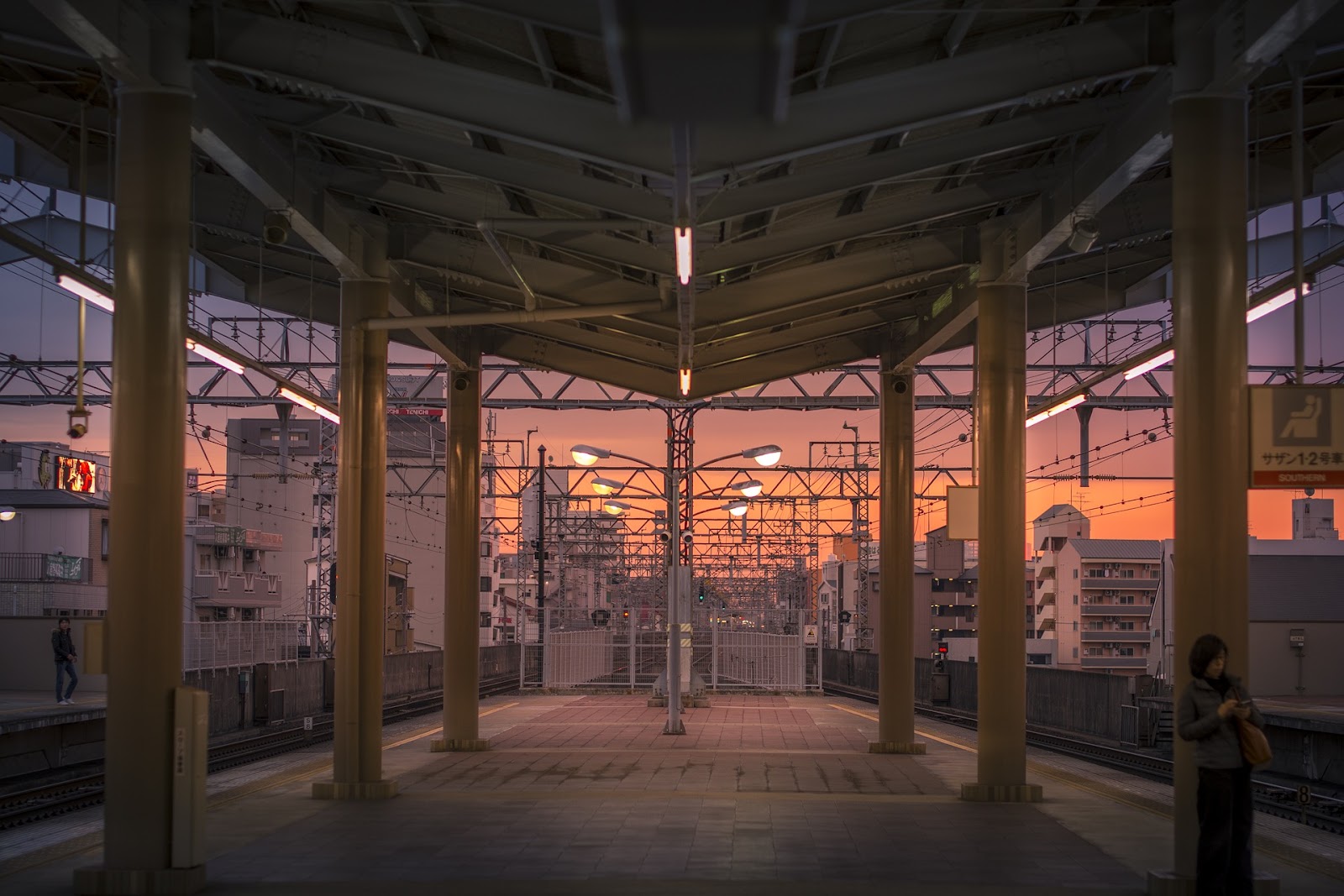
When thinking about how to move to Japan, it can seem like such a high hurdle to overcome, as it’s such a unique and unpredictable country. Just take it slowly, one step at a time, and you’ll be here before you know it.
After I received an offer to work in Tokyo, it only took three months until I moved to Japan. It goes to show how quick the process can be, and the hardest part is building up the courage to start it.
Once you have a strong desire to make the move, the other pieces will eventually fall into place. With proper research and preparation, anyone can do it. Take your time, and don’t forget to look forward to the end destination. Good luck, and welcome to Japan.